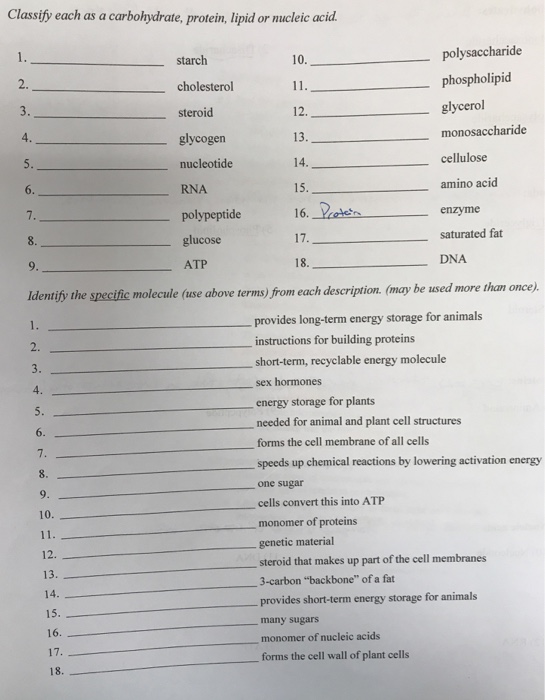
is monosaccharide a carbohydrate protein lipid or nucleic acid Simple diagram of macromolecules, proteins, carbohydrates, lipids, and
Are you looking for a quick and easy way to understand the different macronutrients that make up our food? Look no further! Let’s classify each of them as a carbohydrate, protein, lipid, or nucleic acid.
Carbohydrates
Carbohydrates are our body’s main source of energy. They come in two forms, simple and complex. Simple carbohydrates are found in sugary foods and provide a quick burst of energy. Complex carbohydrates, on the other hand, can be found in foods such as whole grains, fruits, and vegetables, and are broken down into glucose more slowly, providing us with a longer-lasting energy source. Some examples of simple carbohydrates include candy, soda, and syrup, while complex carbohydrates can be found in foods like bread, rice, and potatoes.
Proteins
Proteins are essential for building and repairing tissues in our bodies. They are made up of amino acids, which are the basic building blocks of life. Our bodies are unable to produce some of these amino acids on their own, so it is important to get them from our diet. Foods rich in protein include meat, fish, eggs, and dairy products. Vegetarians and vegans can get their protein from sources such as beans, lentils, tofu, and quinoa.
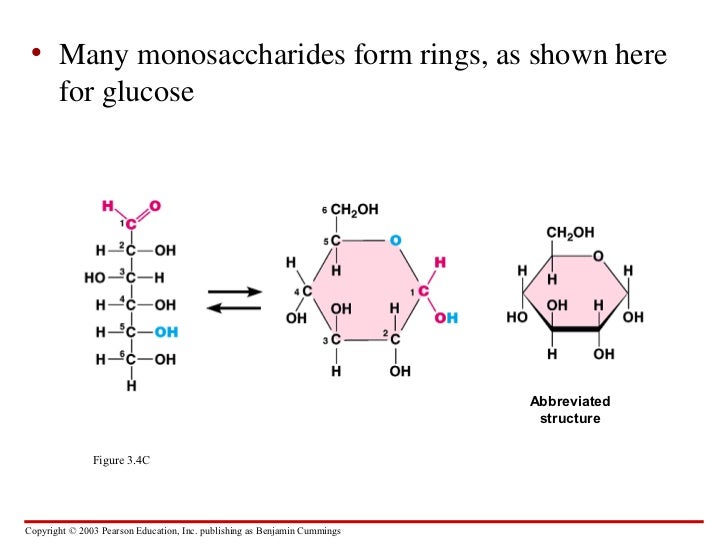 Image courtesy of energydesign-st
Lipids
Lipids are commonly known as fats. They play an important role in our diet by providing insulation, cushioning our organs, and helping with the absorption of vitamins. There are three types of dietary lipids - saturated, unsaturated, and trans fats. Saturated fats are found in foods such as meat and dairy products, while unsaturated fats are found in nuts, seeds, and fish. Trans fats are often found in processed foods and can be harmful to our health if consumed in large amounts.
Nucleic Acids
Nucleic acids include DNA and RNA. These macronutrients are essential for the storage and transfer of genetic information in our bodies. They can be found in foods such as meat, fish, and nuts.
In summary, understanding the different macronutrients in our food is important for maintaining a healthy diet. Carbohydrates provide us with energy, proteins help repair and build our tissues, lipids play important roles in insulation and vitamin absorption, and nucleic acids are essential for genetic information storage and transfer. Remember to choose a variety of foods from each of these categories to ensure that you are getting all of the nutrients your body needs.
If you are searching about energydesign-st: Carbohydrate Vs Protein Structure you’ve visit to the right place. We have 5 Pictures about energydesign-st: Carbohydrate Vs Protein Structure like simple diagram of macromolecules, proteins, carbohydrates, lipids, and, CARBOHYDRATES - FARRAH NAJIHAH and also Solved Classify each as a carbohydrate, protein, lipid or | Chegg.com. Here it is:
Energydesign-st: Carbohydrate Vs Protein Structure
energydesign-st.blogspot.comlipids nucleic carbohydrates acids proteins carbohydrate
Simple Diagram Of Macromolecules, Proteins, Carbohydrates, Lipids, And
 www.pinterest.commacromolecules molecules cell lipids nucleic proteins carbohydrates acids biochimie biomolecules macromolecule env ohs enzymes quizizz protein thinglink identify pelangi
CARBOHYDRATES - FARRAH NAJIHAH
 farrahn.weebly.comcarbohydrates monosaccharide monosaccharides sugars simple polysaccharides carbohydrate polysaccharide disaccharide complex examples structure foods example food biochemistry units called carbs biology
Solved MACROMOLECULES WORKSHEET NAME: Part A. Classify Each | Chegg.com
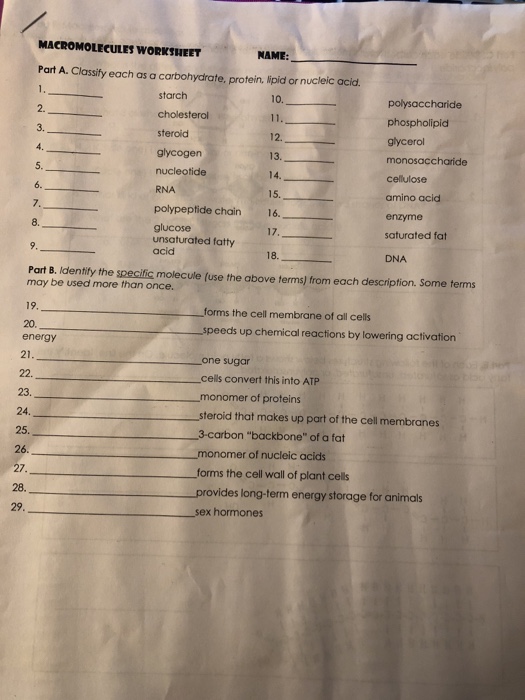
Solved Classify Each As A Carbohydrate, Protein, Lipid Or | Chegg.com
Solved classify each as a carbohydrate, protein, lipid or. Solved macromolecules worksheet part classify name transcribed problem text been show. Energydesign-st: carbohydrate vs protein structure